
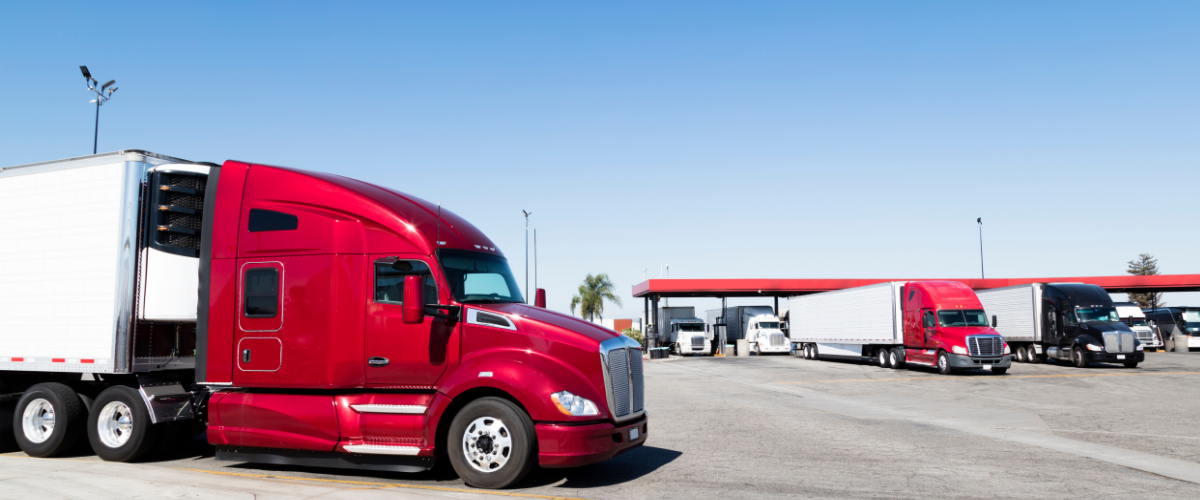
 Nearshoring is a business tactic where a company relocates some of its operations to a neighboring country. This decision is often driven by factors like lower labor expenses, simplified logistics, and closer proximity. Nearshoring offers advantages over offshoring, such as easier communication, similar time zones, cultural similarities, and reduced travel costs. Moving production from the U.S. to Mexico has emerged as an appealing cost-saving strategy for several U.S. organizations, but transporting goods across the border can bring additional theft risk and the need for extra security measures. According to Overhaul’s Mexico Annual Cargo Theft Report 2023, “During 2023, Mexico experienced 20,746 cargo theft events, representing an increase of 3.1% compared to 2022 and 4.4% over 2021.” Organized crime is responsible for stealing hundreds of millions of dollars of cargo in Mexico each year. It is important to note that these criminals often resort to violence in their operations. Forbes reported, “The highest risk municipalities within Mexico State are Ecatepec (which reported 521 cargo robberies), Tlalnepantla (326), Naucalpan (323), Cuautitlan Izcalli (308) and Chimalhuacan (271.) The highest risk routes are the Mexico City-Queretaro highway, the Mexiquense Exterior Circuit, the Mexico City-Pachuca highway, the Mexico City-Puebla highway, and the Mexico City-Tulacingo highway. In contrast to the region of central Mexico surrounding Mexico City, the border region reports considerably fewer truck hijacking incidents. Together, the six border states of Baja California, Sonora, Chihuahua, Coahuila, Nuevo Leon, and Tamaulipas recorded just 108 incidents of violent truck cargo robbery during 2022, or 1.4% of the total number of incidents. Coahuila recorded zero hijackings in 2022.” If your company is considering nearshoring in Mexico, consider the following strategies for mitigating cargo theft risks: Conduct Comprehensive Risk Assessments: Conduct risk assessments before initiating any cross-border freight shipments. Identify high-risk areas along the route, such as known theft hotspots or regions with inadequate security infrastructure. By understanding the specific risks associated with each shipment, businesses can tailor their security measures accordingly. Confirm any carriers moving your freight within Mexico are utilizing high security locks such as the ENFORCER® and ABLOY®. Here is a comprehensive checklist for reference. Additionally, safeguard cargo at shipping facilities. Verify physical security is in place for dropped trailers such as heavy duty king pin locks and/or landing gear locks. These locations can be targets along with warehouses and distribution centers. 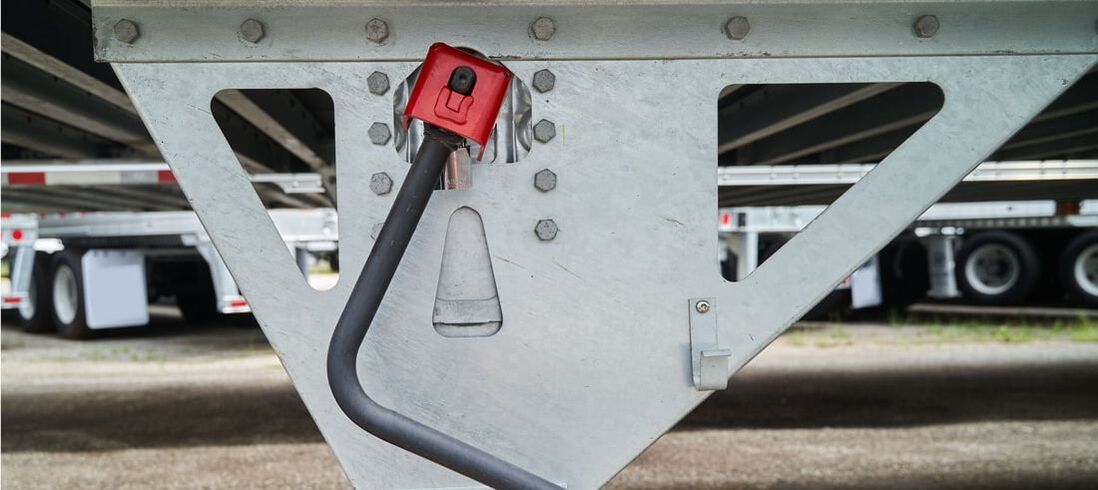 Utilize Advanced Tracking and Monitoring Technology:
Investing in advanced tracking and monitoring technology is essential for enhancing cargo security during cross-border shipping. GPS tracking devices, RFID tags, and real-time monitoring systems can provide valuable insights into the location and condition of shipments throughout the transportation process. Maintaining real-time visibility into your shipments' location and control over that technology enables businesses to promptly identify and address security threats or irregularities. Consider implementing covert security measures, such as hidden tracking devices. Select providers who offer support after regular business hours. Implement Door Security Best Practices: Utilize heavy duty door locks and/or tamper-evident seals with seal locks. These can deter theft and unauthorized access to shipments. Criminals typically target trailers with insufficient or no visible security measures, making trailers with locks less attractive targets. Establish Clear Security Guidelines: When evaluating risk-mitigation in Mexico, it's crucial to choose a shipping partner that places a high priority on security. Many manufacturers commonly mandate specific security measures for their shipments. These standards may include the use of high-security padlocks and additional trailer door protection. Establish clear communication channels and protocols for reporting security incidents and coordinating response efforts in cases of theft or suspicious activities. Thoroughly Vet New Partners: Effective collaboration with trusted logistics partners is essential for mitigating cargo theft risks in Mexico. Conduct thorough research and validate the experience of potential partners operating within Mexico. By fostering strong partnerships with reliable stakeholders, businesses can leverage their collective resources and expertise to enhance cargo security. Given the increased threat of hijacking in Mexico, your company may also consider working with companies that provide security escorts for critical shipments. Make sure to properly vet these organizations as well. As businesses increasingly turn to nearshoring in Mexico to capitalize on cost-saving opportunities, it's important to recognize and address the risks associated with cargo theft. The prevalence of organized crime and the escalating levels of violence underscore the critical importance of implementing robust security measures throughout the supply chain. By prioritizing risk mitigation strategies, fostering collaboration with trusted partners, and leveraging advanced technologies, businesses can navigate the challenges of cargo theft in nearshoring environments more effectively. Ultimately, proactive efforts to protect valuable shipments not only safeguard business interests but also contribute to the long-term sustainability and success of cross-border operations.
0 Comments
 A physical security audit is a comprehensive assessment of your fleet's truck and trailer locks. Typically, this assessment measures current physical security selections against the industry best practices and standards.
Why are security audits important? Security audits help organizations assess and mitigate potential risks. By pinpointing vulnerabilities and weaknesses, organizations can take steps to strengthen their security measures. Additionally, physical security audits can help to: Protect your reputation: Supply chain disruptions can damage a brand's reputation for reliability. Companies may opt to cancel other deliveries, end the relationship, and search for a more security-conscious fleet. Reduce losses due to pilferage and theft: Regular physical security audits can be more cost-effective than dealing with the aftermath of a cargo theft. The costs associated with a theft can include the value of the cargo, increased insurance premiums, cargo recovery efforts, cost of supply chain interruption and more. Gain additional lanes of freight: Use of high security locks can earn fleets more lanes of freight carrying higher value loads. PHSYSICAL SECURITY ASSESSMENT FOR TRUCKS AND TRAILERS
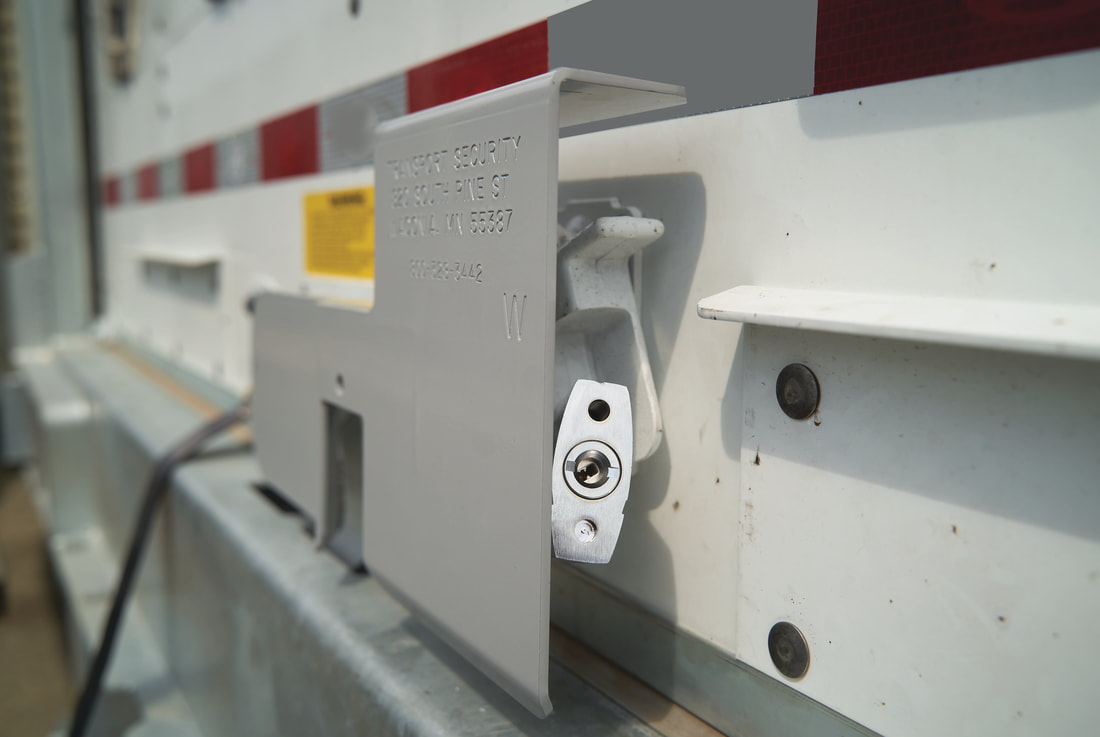
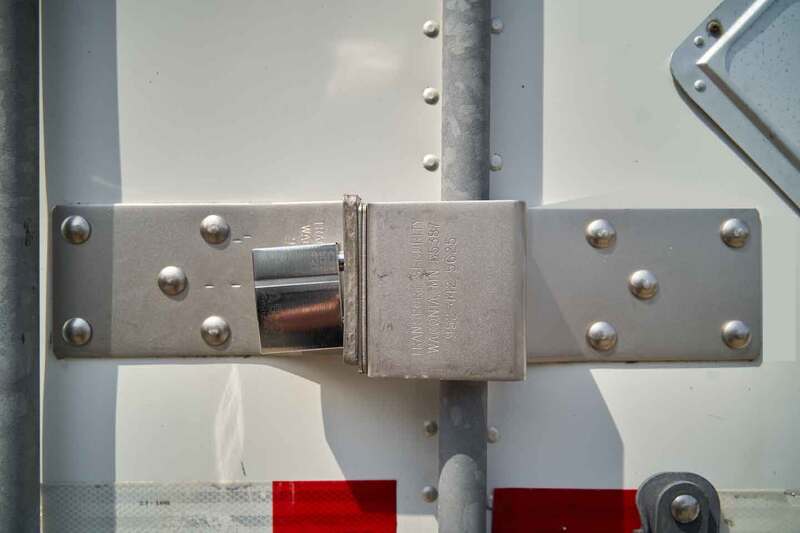
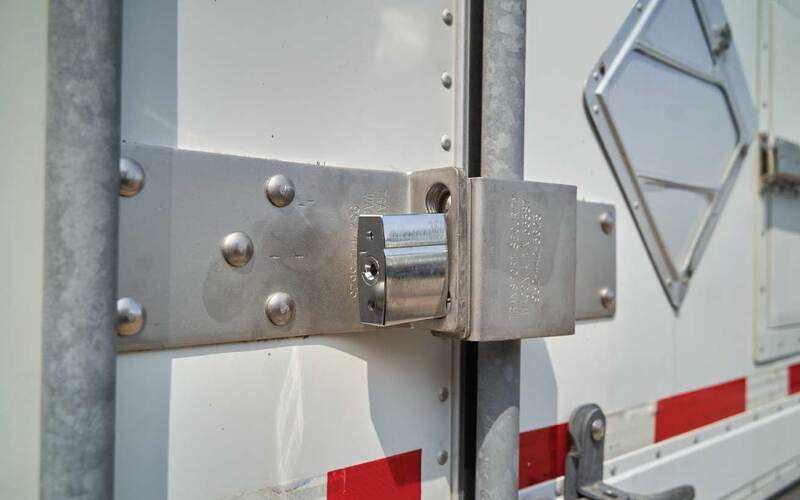
If you answered “no" to any of the risk assessment questions above, please contact us at Transport Security and we can make security recommendations for your fleet. Conducting regular physical security audits allows organizations to promptly detect and resolve new vulnerabilities. Upon completion, teams can rest assured knowing that the necessary security protocols are in position to mitigate potential risks. CargoNet has recorded a 59% increase in theft events across the United States and Canada in the third quarter of 2023 when compared to the third quarter of 2022. Fleets are on high alert and tired of dealing with the aftermath of cargo theft. Be proactive with these 5 upgrades to cargo security. Yard Security Upgrade. Verify entry at the yard - not at the dock. Policy and procedures should include verification of who is coming in and out of your lot. Thieves who gain access to your yard can learn valuable information about the goods being hauled. Consider a security guard and high resolution cameras at the yard entrance. Cameras can catch identifiable logos and marks on trailers coming in and out of your warehouse or distribution center should an incident occur. Standard Trailer Latch Upgrade: The ENFORCER® #8000 heavy gauge stainless steel hasp protects the padlock from cutting or sawing attempts to remove it. The hasp is an upgrade to standard trailer latches with its double thick welded tabs. The hasp is easy to install and provides maximum security for all trailers, reefers, dry vans and containers. Each set serves as its own template and comes complete with hardware and slide covers for inside fastener protection. The hasp locks both the passive and active door. Can be installed on side or back swing doors.  ENFORCER® #8000 Hasp + ABLOY® 350 Padlock Padlock Security Upgrade: A strong, pick proof padlock made of hardened steel is now a minimum requirement for truck security. The ABLOY range of padlocks are an excellent choice due to durability, strength and weather resistance. There are several security devices that can be used in conjunction with an ABLOY padlock to make trailer entry much more difficult.
Truck Stop Upgrade: Drivers should only park at truck stops they feel comfortable in. There should be adequate lighting, surveillance cameras and security guard supervision. Park with safety and security in mind, not convenience. Utilize an app to locate truck stops with excellent reviews. Ideally, drivers should plan where to park along their route ahead of time. Planning helps to avoid unsafe parking situations.
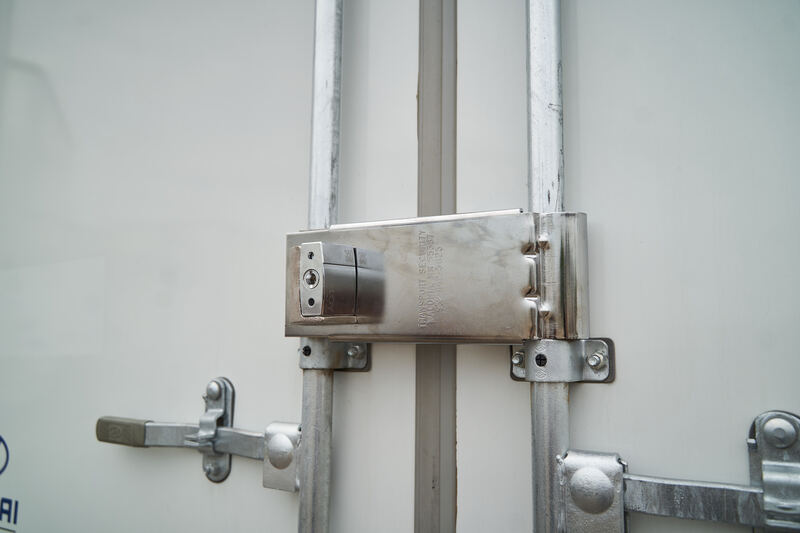
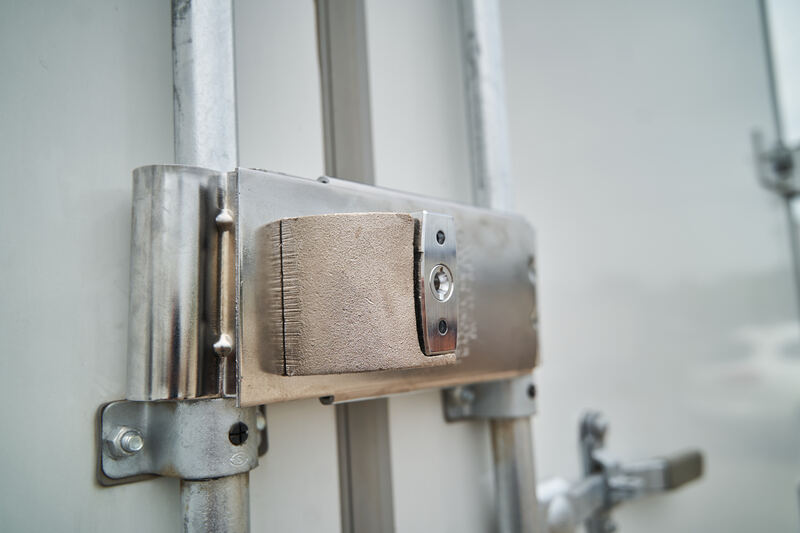
Holiday Security Upgrade: Holidays are traditionally a time cargo thieves strike. They take advantage of unattended trucks and use reduced hours at warehouses/distribution centers. The reduced hours of operation gives thieves additional time to steal or pilferage. Consider additional security measures during these times. CargoNet recently reported, “In the third quarter of 2023, reported thefts increased in every event category. Documented strategic cargo theft events increased 430% year-over-year and theft of a loaded conveyance such as a full trailer increased 4% year-over-year.” They also cautioned the “industry that throughout this year, strategic cargo theft rings have picked up activity around holiday periods.” To have a strong cargo security program, fleets should review their current security policies and physical security selections. Proper choices can help mitigate theft and costly disruptions to your supply chain. 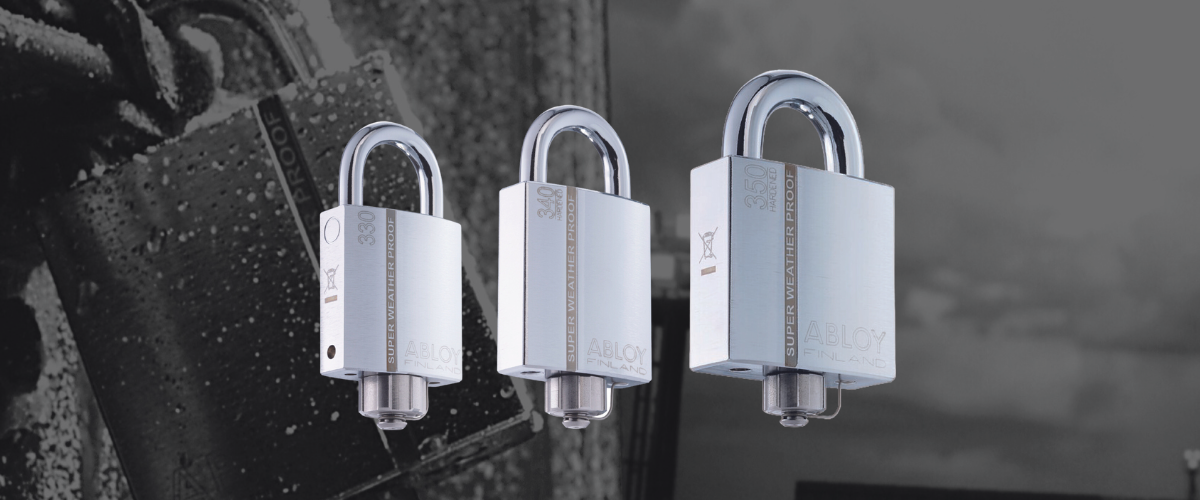 The SUPER WEATHER PROOF (SWP) padlock range from ABLOY® is now available from Transport Security. The locks are designed for use where padlocks must resist extreme cold and excessive amounts of dirt. SWP padlocks feature an extremely tight, no compromise construction. The lock provides protection against the harshest of conditions. The weather seal cap and other innovative protective measures including a sealed shackle mean that they exceed IP68 requirements for no ingress of dust and continuous immersion in water. The SWP range includes the ABLOY 330/25 SWP, 330/50 SWP, 340/25 SWP, 340/50 SWP and 350 SWP padlocks. These padlocks can be used with ENFORCER® products such as the hasp, Seal Guard Lock, CargoGuard and the Adjustable Trailer Door Lock. The SWP padlocks are built similarly to the original ABLOY padlocks, with rotating discs, like the tumblers in a bank safe, instead of the traditional springs and pins. This type of construction allows for various keying options including keyed alike, keyed different and keyed to a master system. Padlocks can also be keyed alike to ENFORCER locking devices with integrated ABLOY cylinders. 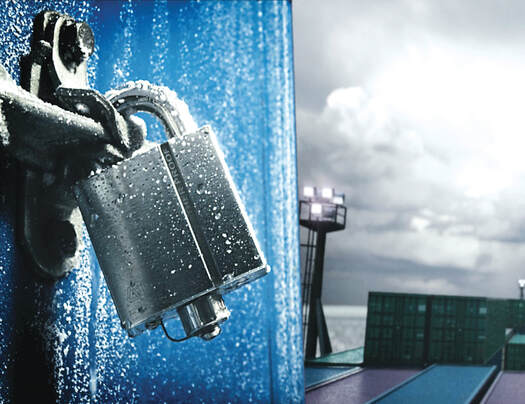 The holidays are particularly high risk for distributors, manufacturers, shippers and logistics companies. Warehouses and distribution centers tend to have fewer staff onsite and trailers are more often left unattended. Volume also picks up for the season and thieves may steal products they can easily sell to holiday buyers on the black market. Check these five critical areas now to be sure your organization is prepared this year for the ever-present threat of cargo theft.  1. Identify your product’s likelihood of being stolen. According to CargoNet’s 2022 Supply Chain Risk Trends Analysis, household items were the most stolen commodity in 2022. Household items were closely followed by electronics. Food and beverage incidents have also been noteworthy and likely to be targeted this holiday season. If your organization is shipping any of these items, you should take notice that thieves are targeting your products. 2. Develop routes to avoid high crime areas. Increases in theft activity around major intermodal hubs were significant in 2022. Pay particular notice when traveling through cargo theft hot spots such as California, Illinois and Texas. Route plan so drivers avoid stopping in the “Red Zone.” The red zone is 200 to 250 miles wherein the driver does not stop after pick-up. Drivers should be rested, fueled and all personal needs taken care of so the red zone can be effectively implemented. Additionally, assist drivers with planning where to park along their route ahead of time. Planning helps to avoid unsafe parking situations. If drivers do park in less desirable locations, be sure they are protected by layers of security including high security locks such as ABLOY ® padlocks.  3. Review your carrier’s security protocols. If you are utilizing a carrier this upcoming holiday season, ensure they are committed to protecting your freight. Enforce high security standards within your operations and theirs. It is common practice for manufacturers/shippers to require a certain level of security on their loads in their freight contracts. Companies can set these security standards, including requiring a high security padlock, trailer door lock or seal protection for cargo in transit. Cargo at rest in storage containers or parked trailers may also require heavy duty king pin locks. Consider requiring the use of high security locks such as the ENFORCER® Adjustable Trailer Door Lock on all loads. The Adjustable Trailer Door Lock fits securely around swing door locking rods locking both the passive and active doors.
4. Order extra physical security devices. Have heavy duty locks ready for use on any extra delivery trucks, portable storage containers and trailers you’ve rented or acquired for the holidays. An inventory check now can help determine any needs. Use all available locking devices to protect trailers while they are being staged. King pin locks and landing gear locks are recommended for dropped trailers along with high security back door locks. If you are a retailer with storage containers onsite, consider the portable ENFORCER Adjustable Lock to secure the doors. 5. Create alliances with local and national industry groups. Joining industry organizations such as CargoNet and regional cargo security organizations is an ideal way to stay up-to-date on the latest trends and tactics in loss prevention. These organizations are great for networking and provide insight as to where cargo theft is occurring so your fleet can be prepared. Many host seminars, conferences and summits with cargo theft experts as speakers. You’ll also learn how thefts are occurring and receive aggregated information on theft trends. Reviewing these five items can help fleets prepare for many of the cargo security threats that occur during the holidays.  A strong security culture is important for companies in the supply chain. It is increasingly imperative to put a security policy in place before a cargo theft event occurs. Equally as important is instilling the components of the policy in your employees. Loss prevention is everyone's job. Drivers at top trucking companies know the importance of security at their fleet. Thieves are getting smarter and more targeted and their theft techniques are more sophisticated. CargoNet estimates that $223 million in cargo was stolen across all cargo theft events in 2022. Here are some tips to help establish a culture of security at your company: Develop a comprehensive security policy: The purpose of a security policy is to establish company-wide policies and guidelines for mitigating theft and protecting equipment. Make security part of your regular risk management plan to prevent theft. Security professionals often recommend a layered approach to reduce thefts. There are various solutions to protecting goods and equipment in transit and at rest. Each of these should be addressed in your policy. Security minded companies utilize multiple solutions, therefore having several layers of security in place. These layers should include high security locks such as hardened steel padlocks from ABLOY available at Transport Security, Inc. and other physical security devices. Other important layers include communication, procedures, technology, GPS, fencing, safe parking and more. Train personnel: Security is everyone’s responsibility. After your security policy is put in place, train staff on the contents. New hires should be informed of the policy during training. Additionally, regularly scheduled training sessions should occur to update staff on security initiatives. Make these meetings easy to attend by offering virtual options and recorded sessions drivers can watch when they are not on the road. Provide employees with the tools they need: Inform drivers and other employees as you learn of new theft tactics, location of thefts and other vulnerabilities. Membership in CargoNet and many cargo theft task forces can provide you with up-to-date theft data and reports of recent thefts. Professional cargo theft rings are dominating theft in many areas. Additionally, provide or make available any physical security devices you've selected, including locks for drivers and warehouse staff. Audit your security policy: Check in on drivers and other employees to ensure that they are operating within your security protocol. By conducting these audits, you may find gaps in your policy. Use this information to make appropriate changes. A good security policy is only effective if everyone adheres to it. Integrate security information into meetings or other communications: Provide security reminders in meetings, virtual driver meetings, staff newsletters, social media, emails and other communication channels your company utilizes. Regular reminders will help employees retain the policy and its importance. Part of maintaining a strong security policy includes promoting good communication amongst staff. Staff and drivers should never feel shy about reaching out if they have questions or concerns. Reward employees for being proactive about security: Inform employees regularly about how their behaviors and actions affect security. Positive reinforcement can encourage employees to follow security best practices. You can do this by praising employees in company communications for following the security policy or offering bonuses when they are found to be using appropriate security measures. Security culture needs to be important from the top down. Employees should understand the business risk. If a trailer is stolen or tampered with, the cost of missing goods can be very high. Additionally, the cost of stolen or damaged equipment, insurance claims and premiums, expedited freight costs and reputation risk must also be considered. Consider having all employees highlight security in action – if only top level management is looking for it, it may not be as effective as having everyone involved.  If a trailer is stolen or tampered with, the cost of missing goods can be very high. To calculate the full cost of cargo loss, supply chain managers have to consider more than just the loss of the missing goods. Cost of stolen or damaged equipment, insurance claims and premiums, expedited freight costs and reputation risk must also be included.
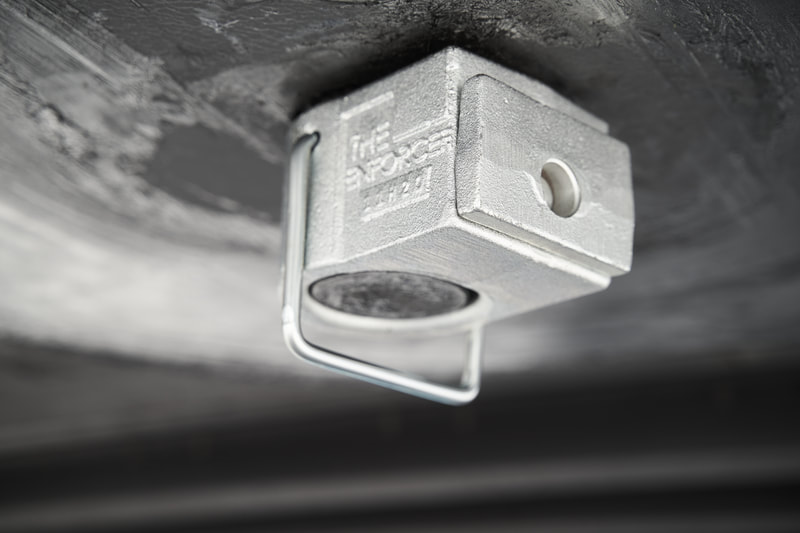
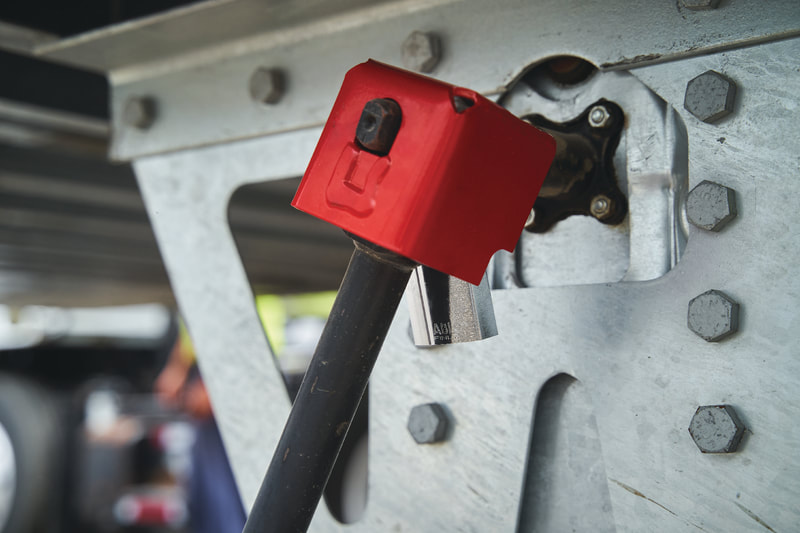
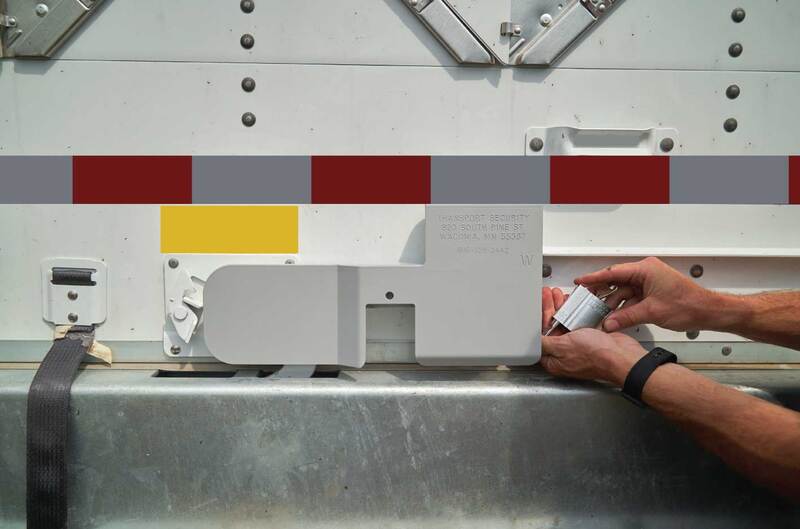
Cost of equipment: If a truck or trailer is damaged or stolen during a theft, companies will need to pay for repairs or replacement. Sourcing new equipment or parts can be arduous. Supply chain interruptions during this down time can also be very costly. Future loads that were slated for the out-of-service tractor or trailer cannot be fulfilled, resulting in less income for the trucking company. Insurance claims and premiums: The cost of an insurance claim after cargo theft should be considered by supply chain managers in addition to a likely insurance premium hike. Expedited freight costs: Once a delivery is delayed due to theft, replacement goods need to be sourced and delivered. To stay as close to an on-time delivery as possible, often the replacement goods need to be shipped quickly at an additional cost to the company that incurred the theft. Reputation risk: Whether you are a manufacturer or shipper, dependable deliveries are extremely important to you and your clients. Companies are less likely to look favorably upon those fleets who have experienced theft. They have to replace the stolen items to keep up with demand and have to manage the delivery disruptions. Delayed shipments can mean the end user seeks out a different product resulting in lost sales. Additionally the thieves can tamper with the stolen goods which can negatively effect the brand's reputation. Businesses may decide to cancel other deliveries or forgo the relationship entirely and seek out a more security minded fleet. Avoid cargo loss Many fleets view security as a cost without realizing the investment can have a positive impact on the overall financial picture. Fleets should take a layered approach to cargo security to protect their bottom line. Layers can include GPS tracking devices installed on trucks, full perimeter fencing at distribution and warehouses, driver education on where theft is occurring, safe parking options for drivers and high security locks. Heavy duty locks can be installed to secure trailers and prevent pilferaging. For dropped trailers, a device such as a king pin lock or landing gear lock can prevent theft of the entire trailer. Retailers and manufacturers are encouraged to evaluate security standards for shipping companies and consider requiring heavy duty locks to secure products. This will help mitigate theft and disruptions to your supply chain. Cargo thieves are always searching for their next target. They are looking for what they can easily get and sell quickly. Fleets can help take the target off their trucks by being security minded and knowledgeable about commodities and locations thieves are attacking. Your answers to the following questions can help you determine the threat level your fleet may be at for targeted theft. Do you have good in-transit security? Your fleet may be a target if your trailers are not locked or are only secured with a plastic seal. Thieves survey gas stations, truck stops, warehouses, etc looking for weak security that they may quickly bypass. The ENFORCER® line of products are heavy duty and provide effective protection against forcing, drilling, picking and vandalism. Trailer door options for good in-transit security include the Adjustable Door Lock or the hasp and padlock assembly. Both of these security devices include ABLOY® padlocks with case hardened boron steel shackles. Do you pick up containers from ports or rail yards? Increases in theft activity around major intermodal hubs were significant in 2022. Idle container shipments are far easier for criminals to pilferage then one in motion. Ports in California, Texas, Florida, New Jersey and Georgia are current hot spots for theft. According to CargoNet data, “Theft in Georgia increased by 34% year-over-year, due in part to organized crime groups that took advantage of increased traffic to the Port of Savannah. Georgia shut down a state task force to investigate cargo theft in 2020.” Illinois and Memphis have rail yards that have also been targeted by thieves in recent years. Does your fleet drive through high theft states? “California remained the top state for reported events in 2022 and theft in the state increased 41% year-over-year,” according to CargoNet’s 2022 Supply Chain Risk Trends Analysis. Theft around Los Angeles and the Inland Empire is well documented and fleets traveling through this area should remain especially vigilant. Texas and Florida were the second and third most targeted states for cargo theft last year. Are you hauling targeted commodities? Evaluate what kind of commodities you’re hauling and whether or not they match current cargo theft trends. “Household items were the most stolen commodity in 2022. This is a diverse category that includes appliances and furniture which often get targeted during long haul and final mile distribution. Household items were closely followed by electronics. Additionally, theft of televisions and other displays nearly doubled from 2021,” CargoNet reported. Theft of food and beverage products also grew due to supply chain and scarcity issues. Food and beverage products are difficult to trace and are easy to sell, making these items very attractive to thieves. Fleets utilizing seals to ensure tampering has not occurred should strongly consider the ENFORCER Seal Guard Lock which protects the seal and secures the swing doors. Do you have layered security in place at your warehouse/distribution center? Oftentimes cargo thieves have the ability to survey a property undetected. They learn schedules and patterns of the fleet and look for weaknesses they can take advantage of. Good lighting and fencing can help protect your equipment and cargo. Secure dropped trailers with a heavy duty King Pin Lock and a Landing Gear Lock. Also, have drivers ready to go when they pick up a load. Drivers should be prepared to drive 200 to 250 miles right after loading to get out of the “red zone” where cargo thieves like to hit. Cargo theft can occur at any time. Keeping your answers to these questions top of mind when reviewing security plans and protocols can help keep your fleet stay secure on the road. Cargo theft bounced from “High” to “Extreme” on CargoNet’s Cargo Theft Threat Level indicator at the end of 2022. So far in 2023 it has stayed in the “High” or “Extreme” category. What’s driving the surge in cargo theft? Holidays: The end of year holidays are traditionally a time cargo thieves strike. More freight tends to be moving and in-demand gifts are targeted. Trucks are often left unattended during the holiday season and warehouses/distribution centers are closed or running on shortened hours, allowing thieves additional time to steal or pilferage. Scarcity and Cost Driving Illicit Market Demand: Many consumer items have become hard to get or their cost has risen substantially due to inflation. Cargo thieves target these types of items knowing there is a market for a quick sale after the theft has occurred. Currently we are seeing this happen to higher cost food items such as meat as well as electronics including computer graphics cards. Fleets and Drivers Without a Plan: Benjamin Franklin's quote: “By failing to plan, you are preparing to fail” is accurate in the security industry. Those without a layered security plan in place to prevent theft may find themselves scrambling after an event occurs. Plan ahead by making sure parking for trips is secured and layers of security are in place to protect the equipment and load. Theft Activity at Major Intermodal Hubs: According to CargoNet’s 2022 Supply Chain Risk Trends Analysis, “California remained the top state for reported events in 2022 and theft in the state increased 41% year-over-year. Computer and green energy components were some of the most frequently stolen items of the year and California is a major logistics hub for these items. Theft in Georgia increased by 34% year-over-year, due in part to organized crime groups that took advantage of increased traffic to the Port of Savannah.” Shrinkage in Cargo Theft Task Forces: Many states have reduced or shut down their task force focused on cargo theft. Those that have remained now have fewer resources leading to less manpower to investigate theft and organized crime groups. Fictitious Cargo Pickups: Fictitious pickups are a highly specialized, internet-based form of cargo theft that requires skill in document forgery. The fraud occurs when a thief subcontracts the shipment to a legitimate motor carrier and then has the shipment misdirected to another address. According to CargoNet’s 2022 Supply Chain Risk Trends Analysis, “CargoNet recorded 96 more fictitious pickups in 2022 compared to the year prior, a 600% increase year-over-year.“ What can fleets do to protect cargo and equipment? Utilize Heavy Duty Physical Security: Depending on the type of semi-trailer you or your fleet own, there are various security devices to prevent theft and pilferage. ENFORCER products include ABLOY® heavy duty padlocks and security devices that incorporate ABLOY lock cylinders or padlocks. ABLOY locks function reliably in extreme environments and allow for various master keying systems. Multiple locks should be used to secure cargo and equipment. To prevent break-ins and pilferages of swing door trailers seek a robust lock such as the ENFORCER Adjustable Lock or hasp and padlock assembly. If you have a roll up door trailer several options are available including the CargoGuard which completely covers and protects the handle and padlock assembly from pry bar or cutting tools. To prevent unauthorized hook up to dropped trailers, consider a king pin lock. To secure an unattended truck, utilize an easy to install Air Cuff Lock. Install Warehouse/Distribution Center Security: According to CargoNet’s 2022 Supply Chain Risk Trends Analysis, the top targeted location for theft was Warehouse/Distribution Centers. Install a full-perimeter fence around your location to protect any equipment or goods that are stored outdoors. Electric fences are a good deterrent to stop theft and should be considered. Add surveillance cameras as an additional layer. Implement Driver Education: Theft can be reduced by educating drivers on current theft statistics and trends. Providing drivers with information on where theft is occurring and safe parking locations is becoming increasingly important. Consider joining industry organizations that provide details on where and how thefts are occurring. In addition, educate your drivers to not discuss the load they are hauling or other route information at truck stops, etc. Additionally, drivers should remain in contact with dispatch if they are stopped somewhere with an increased likelihood of cargo theft. Mitigate Fictitious Cargo Pickups: According to CargoNet, “Logistics brokers and shippers can help prevent fictitious cargo pickups by verifying any bids on shipments with the motor carrier through their contact information on file with the FMCSA and verifying the name of the motor carrier and driver matches who the shipment was tendered to. Motor carriers should be wary of new customers that offer payment through peer-to-peer money transfer apps if their business would haul a blind shipment delivering to an address different from the bill of lading, especially if the address is a public warehouse or cross-dock in California.” Indications are cargo theft will remain elevated in 2023. Be proactive in protecting your equipment and cargo.  The end of the year holidays are quickly approaching. Review your company’s holiday protocols with drivers and staff to keep safety measures top of mind. Transport Security has put together a checklist for some additional reminders. Happy Holidays!
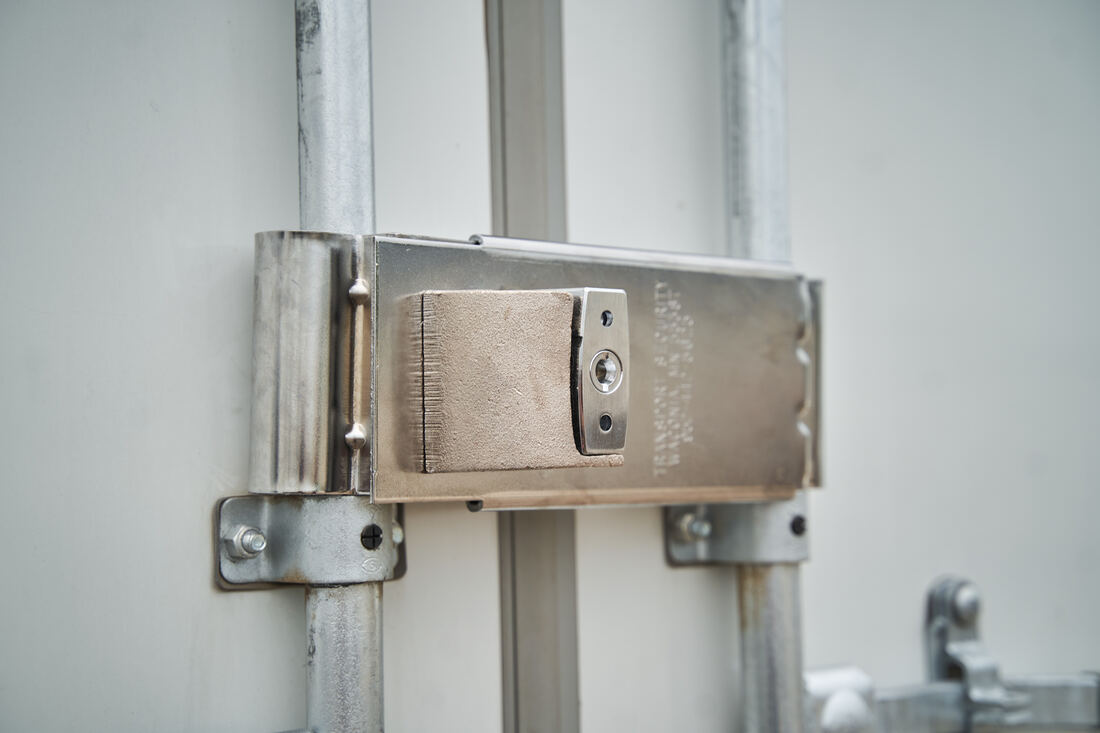
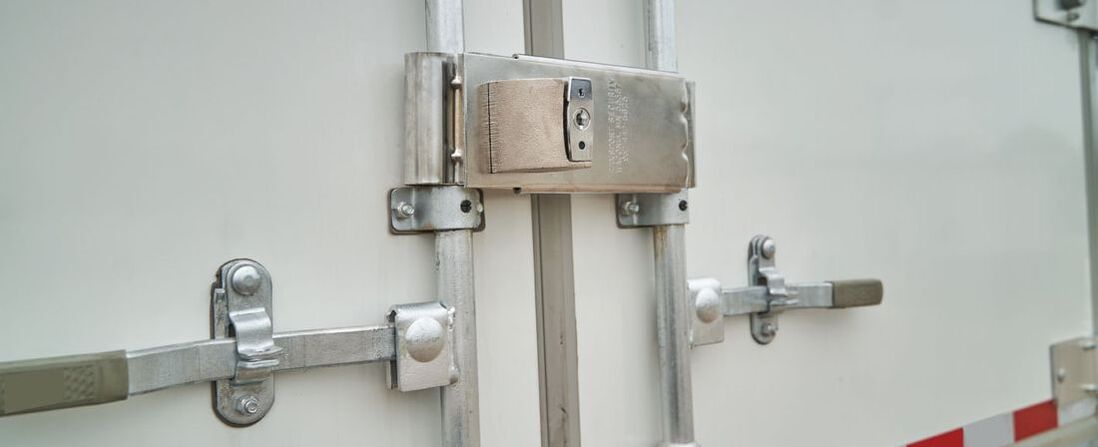 ENFORCER Adjustable Lock
If your fleet needs any additional locks, please contact us today! Transport Security provides ABLOY® heavy duty padlocks and security devices that incorporate ABLOY lock cylinders or padlocks. ABLOY locks function reliably in extreme environments and allow for various master keying systems. ABLOY is part of the ASSA ABLOY Group, the global leader in access solutions. |
Categories
All
Archives
February 2024
|
 RSS Feed
©2024 Transport Security, Inc. 820 South Pine Street Waconia, MN 55387 952-442-5625 enforcer@transportsecurity.com